
Can Human Instincts Be Controlled? © Eric R. Pianka Abstract. Like all animals, humans have instincts, genetically hard-wired behaviors that enhance our ability to cope with vital environmental contingencies. Our innate fear of snakes is an example. Other instincts, including denial, revenge, tribal loyalty, greed and our urge to procreate, now threaten our very existence. Any attempt to control human behavior is bound to meet with resistance and disapproval. Unless we can change our behavior, humans are facing the end of civilization. Our problem has several elements. (1) We have invented economic and social systems that encourage greedy behavior, and we have actually institutionalized runaway greed. (2) We are in a state of complete denial about the growth of human populations. (3) Earth's finite resources simply cannot support 7 billion of us in the style to which we’d like to live. (4) We must make a choice between quantity and quality of human life. (5) To head off the inevitable collapse, we can no longer wait and merely react but we must become proactive. We must find ways to control dangerous human instincts, especially denial, revenge, tribal loyalty, greed and our urge to procreate.  People have an instinctive fear of snakes. We are afraid of snakes because humans evolved
alongside these creatures, many of which are dangerous. This fear saved the lives of our
ancestors and became hard-wired innate behavior, also known as instinct. Similarly we
possess many other instincts that were adaptive during most of human history. Our immense
propensity for denial may have enabled prehistoric humans to cope with menacing situations,
but today we use denial to avoid confronting reality, especially overpopulation (a word
that has become politically incorrect). Tribal loyalty and revenge made sense when we
lived in small tribes, but both these instincts now threaten our very existence.
People have an instinctive fear of snakes. We are afraid of snakes because humans evolved
alongside these creatures, many of which are dangerous. This fear saved the lives of our
ancestors and became hard-wired innate behavior, also known as instinct. Similarly we
possess many other instincts that were adaptive during most of human history. Our immense
propensity for denial may have enabled prehistoric humans to cope with menacing situations,
but today we use denial to avoid confronting reality, especially overpopulation (a word
that has become politically incorrect). Tribal loyalty and revenge made sense when we
lived in small tribes, but both these instincts now threaten our very existence.

For example, greed must certainly have been adaptive for early cave dwellers. In times of scarcity, a greedy caveman who refused to share his food stores at the onset of winter would have been more likely to survive until spring and hence would have enjoyed higher fitness (reproductive success) than a generous one who shared his limited resources with the less fortunate. Natural selection programmed us to be selfish. Greed is a natural human instinct -- we are all selfish and greedy at heart, and for sound evolutionary reasons. Currently, we have institutionalized runaway greed, allowing others to become billionaires -- what sense does it make to have more than you can actually use? Similarly, tribal loyalty and revenge made sense -- if another caveman messed with your tribe, you bashed him over the head and he was unlikely to do it again. Such instincts worked to our advantage when we were cavemen, but have become dangerously maladaptive in today's man-made artificial world. Revenge makes no sense when one contemplates pushing a red button to set off nuclear explosives that will destroy yourself as well as your enemies. Likewise, an instinctive urge towards tribal loyalty was useful when we lived in small bands, but such loyalties are now exploited to pit nationalities, political parties and religions against one another, often leading to deadly confrontations. The driving force behind all living entities is Darwinian natural selection, or differential reproductive success. Unfortunately, natural selection is blind to the long-term future -- natural selection rewards just one thing: offspring. It is a short-sighted efficiency expert. Individuals who leave the most genes in the gene pool of the next generation triumph -- their genetic legacy endures, whereas those who pass on fewer genes lose out in this ongoing contest. One of our most powerful instincts is the urge to procreate, which manifests itself in different ways in males than in females. Males simply want lots of sex whereas females are programmed with nesting behaviors that involve a safe home place for their family (of course, sexual selection is much more complex than that one sentence brief synopsis). Primitive humans did not even know how babies were formed, but nevertheless they made them.  By favoring parts that
fit and nerve endings that tingled in just the right places, natural selection, that
ultimate puppet master, made certain we’d reproduce. Hence we are
programmed to have instincts to breed. And breed, we do, in fact, we
are much too good at it for our own good, all 7 billion of us. If we
don't stop reproducing soon, human civilization is doomed. By favoring parts that
fit and nerve endings that tingled in just the right places, natural selection, that
ultimate puppet master, made certain we’d reproduce. Hence we are
programmed to have instincts to breed. And breed, we do, in fact, we
are much too good at it for our own good, all 7 billion of us. If we
don't stop reproducing soon, human civilization is doomed.
Some humans, unfortunately the most successful from the perspective of natural selection, combine greed with breeding and have obscenely large families. Rather than be celebrated on TV, such people should be social outcasts, ostracized from society, because they are stealing other’s rights to reproduce. Earth simply doesn't have enough resources to support all of us in the style to which we’d like to become accustomed. Moreover, resources such as water, land, and food, are finite, whereas human populations are always expanding, steadily reducing per capita shares. People are encouraged to think that resources are ever expanding when the opposite is true. We are in a state of total denial about the overpopulation crisis -- instead of confronting reality, people only want to relieve its many symptoms, such as shortages of food, oil, and water, global climate change, pollution, disease, loss of biodiversity, and many others. Overpopulation is a near fatal disease that cannot be cured by merely alleviating its symptoms. “Take an aspirin, get a good night's sleep, and come back in the morning.” Unless we face reality and reduce human populations, we are in for a world of hurt and even greater human misery. Of course, eventually, our population must decrease, but we could lessen the upcoming misery by taking action now. Unfortunately, most people are unlikely to be proactive and are much more likely to procrastinate until they are forced to react. Competition is ubiquitous wherever resources are in short supply. Plants compete for light and water. Fungi and microbes compete for nutrients. Animals compete for food and space. Competition leads to behaviors we identify as greed.  Humans have institutionalized greed -- we allow, even encourage, runaway greed.
Our political and economic systems
facilitate greed. Greed is the underlying driving force for both capitalism and entrepreneurship.
Our banking and insurance companies, coupled with the formation of
limited liability corporations have allowed greed to explode.
Corporations control politicians, who pass legislation that allows tax
evasion and assures obscene corporate profits.
Humans have institutionalized greed -- we allow, even encourage, runaway greed.
Our political and economic systems
facilitate greed. Greed is the underlying driving force for both capitalism and entrepreneurship.
Our banking and insurance companies, coupled with the formation of
limited liability corporations have allowed greed to explode.
Corporations control politicians, who pass legislation that allows tax
evasion and assures obscene corporate profits.
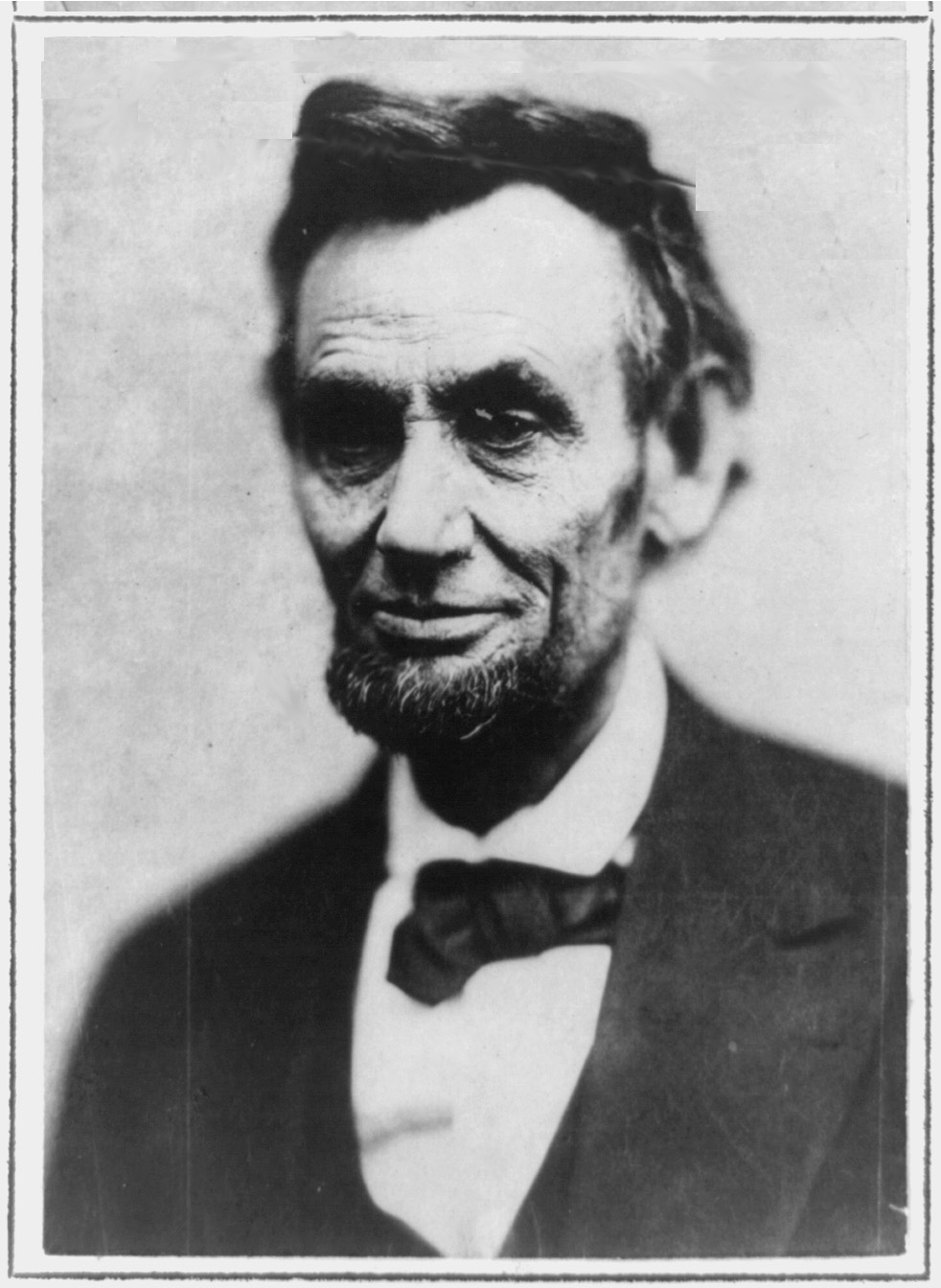 With amazing prescience, in 1864 Lincoln said, "corporations have been enthroned and
an era of corruption in high places will follow . . . until all wealth is aggregated
in a few hands and the Republic is destroyed."
Runaway human greed now threatens our very future and must somehow be
controlled. Any attempt to control greed will be strenuously opposed, especially by
the rich and powerful. Indeed, it may prove to be impossible to overcome such
destructive human instinctive behaviors.
With amazing prescience, in 1864 Lincoln said, "corporations have been enthroned and
an era of corruption in high places will follow . . . until all wealth is aggregated
in a few hands and the Republic is destroyed."
Runaway human greed now threatens our very future and must somehow be
controlled. Any attempt to control greed will be strenuously opposed, especially by
the rich and powerful. Indeed, it may prove to be impossible to overcome such
destructive human instinctive behaviors.

Nevertheless, some of Earth’s greedy enemies can be identified -- overpopulation, banking and economic systems, insurance companies, corporations (especially big oil), and corruption in governmental officials, to mention a few of the most important.  Corporations cannot be abolished because we can’t live without them,
but we must find ways to restrict corporate privileges. Obscene CEO
salaries should be a thing of the past. CEOs should be held liable and
should pay exorbitant taxes. Corporations have no conscience and because
they are not people, they do not qualify to have constitutional rights
despite the Supreme court's
Citizens United decision
that gave them such powers (indeed, America no longer enjoys a democracy
but with that court decision, it has become a corporacracy).
Corporations should not be allowed to evade taxes by moving offshore. Corruption
in corporations must no longer be allowed -- we cannot allow them to own our politicians,
and politicians must
become more responsive to opinions of average citizens. Executive and political privileges
must be eliminated. Politicians should not enjoy all the special perks
they have given themselves -- they should have the same health insurance
as the rest of us and should ride in tourist class alongside us in airplanes.
Corporations cannot be abolished because we can’t live without them,
but we must find ways to restrict corporate privileges. Obscene CEO
salaries should be a thing of the past. CEOs should be held liable and
should pay exorbitant taxes. Corporations have no conscience and because
they are not people, they do not qualify to have constitutional rights
despite the Supreme court's
Citizens United decision
that gave them such powers (indeed, America no longer enjoys a democracy
but with that court decision, it has become a corporacracy).
Corporations should not be allowed to evade taxes by moving offshore. Corruption
in corporations must no longer be allowed -- we cannot allow them to own our politicians,
and politicians must
become more responsive to opinions of average citizens. Executive and political privileges
must be eliminated. Politicians should not enjoy all the special perks
they have given themselves -- they should have the same health insurance
as the rest of us and should ride in tourist class alongside us in airplanes.
As a wise woman from a third world country once said at the UN: “If the rich countries refuse to share their wealth with us, we will certainly share our poverty with them.” We need a more egalitarian society with assured health care, shelter, food, and water for all. What’s the point of having more than you can actually use? No one should own more than he/she could earn with his/her own effort and skill. One way to reign in greed might be to set an upper limit on income so that nobody could become obscenely wealthy. One practice that contributes to or even drives much economic growth is usury: we should seriously consider limiting or even abolishing interest.  Our tax laws need to be revised and our economic system must be
changed radically. Taxes would escalate to 99.9% with rising incomes.
Instead of getting a deduction for each dependent, we should tax
people for having children. Taxes on the first child would be
moderate, but they would escalate rapidly so that nobody could
afford to have very many children. This would reduce population
growth and discourage irresponsible parenthood. Unwanted children
and juvenile delinquency would diminish. We should impose a
similar taxation scheme on vehicles, graduated by size and fuel
efficiency. Hopefully, combined with high fuel prices, such taxes
would eliminate SUVs and Hummers. This would conserve
diminishing fossil fuels and reduce greenhouse gas emissions. Many
other changes are needed, for example, solar water heaters should be
mandatory in this new world. But all such changes only provide
symptomatic relief. We must confront our life threatening disease
and reduce our population. If there were fewer of us, the average
quality of life for each could be improved.
Our tax laws need to be revised and our economic system must be
changed radically. Taxes would escalate to 99.9% with rising incomes.
Instead of getting a deduction for each dependent, we should tax
people for having children. Taxes on the first child would be
moderate, but they would escalate rapidly so that nobody could
afford to have very many children. This would reduce population
growth and discourage irresponsible parenthood. Unwanted children
and juvenile delinquency would diminish. We should impose a
similar taxation scheme on vehicles, graduated by size and fuel
efficiency. Hopefully, combined with high fuel prices, such taxes
would eliminate SUVs and Hummers. This would conserve
diminishing fossil fuels and reduce greenhouse gas emissions. Many
other changes are needed, for example, solar water heaters should be
mandatory in this new world. But all such changes only provide
symptomatic relief. We must confront our life threatening disease
and reduce our population. If there were fewer of us, the average
quality of life for each could be improved.
Our economic system is based on the principle of a chain letter: “grow, grow, grow the economy.” Ponzi schemes like this cannot work for long in a finite world. We must replace the archaic concept of an ever-growing economy with a sustainable one in equilibrium where each of us leaves the planet as it was when we entered it (Nadeau 2008; Daly 1991, 1997). John Stuart Mill (1859) pointed out that wise people have seen this coming for a long, long time:
|